
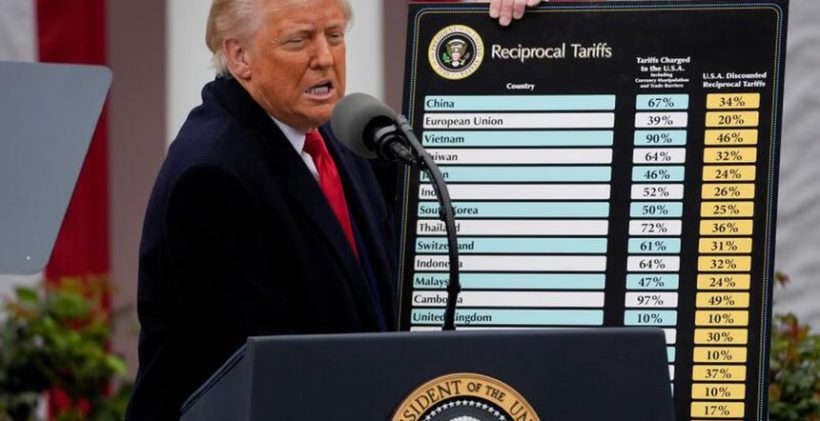
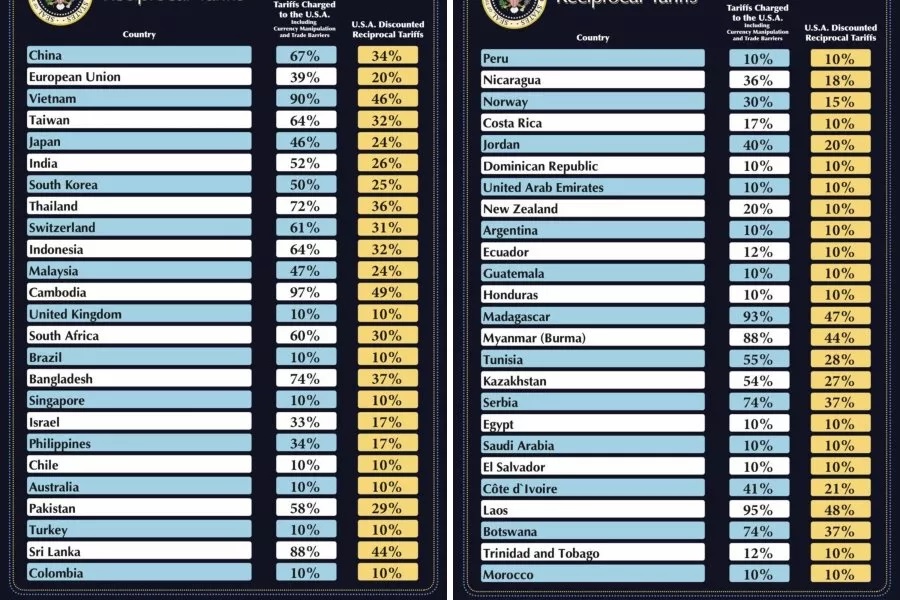
When a business faces pressure from potential retaliatory tariffs or trade remedy investigations such as anti-dumping duties, countervailing duties, or safeguard measures, especially in high-risk sectors like wood, steel, kitchen cabinets, textiles, plastics, or products with Chinese origin but labeled as Vietnamese, it’s crucial to take early and strategic actions.
✅ 1. Review the Origin of Materials & Production Process
– If your raw materials come from China (or countries heavily taxed by the U.S.), you must prove that the goods are substantially transformed in Vietnam.
– This helps avoid accusations of circumventing tariffs or origin fraud.
– Prepare detailed production flowcharts, invoices for materials, and documents proving the value-added processes conducted in Vietnam.
✅ 2. Clarify Certificate of Origin (C/O)
– Always provide a proper C/O (Certificate of Origin) commonly Form B or others as required.
– If your products may be suspected of origin fraud, also prepare supporting evidence like: material purchase invoices, subcontracting contracts, and production documentation.
✅ 3. Monitor U.S. Trade Remedy Investigations
– Regularly check updates from:
– Vietnam Ministry of Industry and Trade – Trade Remedies Authority
– U.S. Department of Commerce (DOC)
– U.S. International Trade Commission (ITC)
– If your product sector is under investigation, be ready to respond to questionnaires, and submit accurate and complete data to avoid high default tariffs.
✅ 4. Check HS Code Risks
– Certain HS codes are under high scrutiny (e.g., 9403.60 – wooden cabinets; 4412 – plywood; 7306 – steel pipes).
– If using a potentially high-risk HS code, **verify the U.S. tariff rate carefully, or consult with an international trade lawyer.
✅ 5. Diversify Markets & Prepare Contingency Plans
– Avoid over-dependence on the U.S. market if you see increasing risks.
– Prepare to negotiate prices, share risks with buyers, or consider relocating part of your production to other countries for stronger value-added justification.
✅ 6. Seek Legal Consultation (if needed)
– If your company is being investigated, consult with experienced international trade lawyers to defend your case effectively.
– Never ignore or delay responses to DOC investigations; doing so may result in the highest possible default tariffs (Adverse Facts Available – AFA).
**Summary Table**:
| Action | Purpose |
|——–|———|
| Control origin | Avoid origin fraud accusations |
| Maintain clear documentation | Be ready for investigations |
| Track trade remedy news | Respond in time |
| Diversify markets | Reduce U.S. dependency |
| Legal support if under investigation | Improve chances of lower duties |
👉 It is important to take early and strategic action. Here are some things to do to avoid and respond to countervailing duty pressures when exporting to the US.