
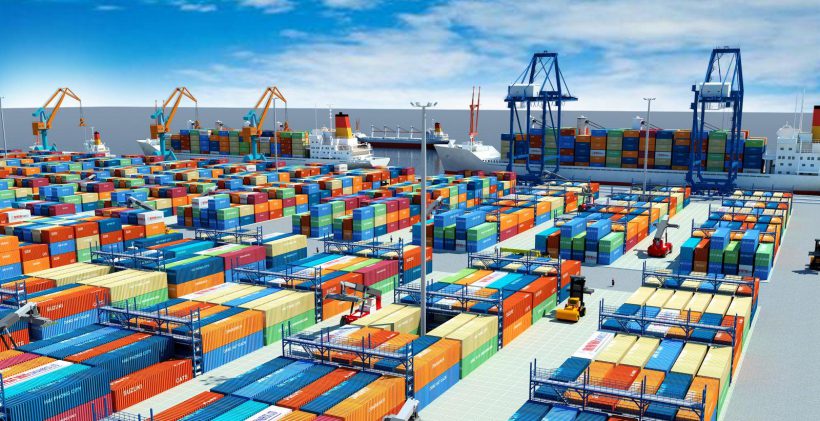
Goods imports into the U.S. continued to rise in the first quarter of 2025, but S&P Global Market Intelligence warned that new tariffs and weak demand could lead to a decline in trade volume starting in the second quarter
According to newly released data from S&P Global Market Intelligence, the volume of goods imported into the United States in March recorded positive growth.
Specifically, the total import volume in March reached 2.75 million TEUs (twenty-foot equivalent units), up 10.2% year-over-year, marking the 19th consecutive quarter of growth. In the first quarter, total import volume reached 8.14 million TEUs, a 9.1% increase from the previous year. However, S&P noted that the year-over-year comparison is slightly “softened” due to 2024 being a leap year, while February 2025 had only 28 days.
Consumer goods played a major role in the March increase, rising 17.9% year-over-year (excluding automobiles). Specifically, household furniture rose 23.3%, home appliances increased 14.4%, and essential consumer goods grew by 14.0%. Notably, pharmaceuticals rose 17.3%, potentially linked to the upcoming consideration of Section 232 tariffs. Entertainment products and toys also increased by 8.4% and 5.6%, respectively.
Consumer goods with longer life cycles—less affected by fashion or technology trends—continued to lead growth, thanks to their suitability for long-term storage.
S&P Global Market Intelligence also stated that growth in essential consumer goods partly reflects the impact of new tariffs and preemptive behavior in anticipation of future tariff risks.
In the industrial goods category, growth was uneven: raw materials rose 15.2%, driven by a 22.3% increase in chemicals; meanwhile, capital equipment increased 7.2%, as imports of electronic components and electrical equipment declined.
Looking ahead, S&P forecasts that U.S. imports may decrease in the coming quarters, based on underlying data showing weakening consumer and industrial demand. Specifically, U.S. container imports are projected to decline by 3.0% in Q2 and drop even further—by 4.9%—in Q3. Additionally, factors such as freight rate volatility, shifts in shipping alliances, and the potential imposition of new port fees will further complicate decision-making.
SUN VN TRANSPORT recommends that exporters and U.S. importers accelerate their operations and improve business efficiency over the next 90 days while U.S. President Donald Trump has delayed tariff implementation. Businesses should boost exports before higher tariffs take effect and patiently await negotiations by our national leaders.
contact for more detail: info@suntransco.com
Vessel container at Long Beach port